
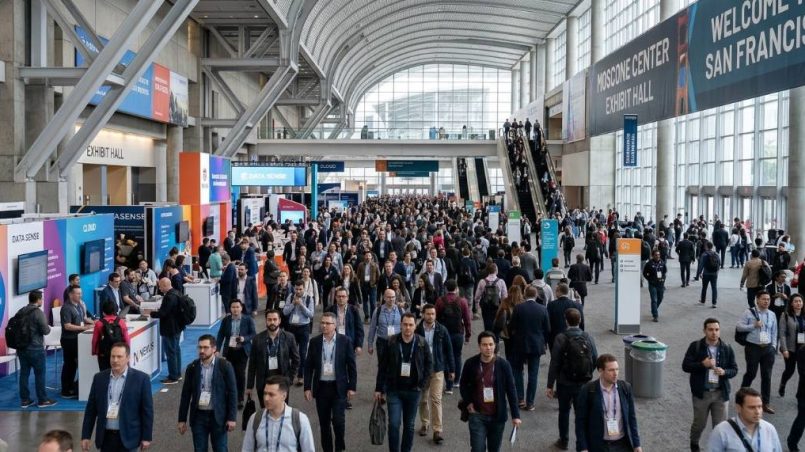
Every winter, the global photonics community picks one week to meet in San Francisco. In 2027, that week runs from January 30 to February 4. About 24,000 people from the optics and photonics world gather to share research, launch products and build partnerships. This guide covers everything you need to plan your trip. You will find dates, venue details, registration tips, speaker highlights and exhibitor information. Additionally, you will find simple advice to help you get more from the week.
Event Overview
SPIE Photonics West 2027 is the annual meeting of the international society for optics and photonics, known as SPIE. The week combines technical talks, training courses, trade shows and networking events. Researchers, engineers, buyers and investors all attend. As a result, you can learn about a new laser in the morning and meet a supplier for it in the afternoon.
The table below gives a quick snapshot of the main facts.
| Detail | Information |
| Event dates | January 30 to February 4, 2027 |
| City | San Francisco, California, USA |
| Venue | Moscone Center, 747 Howard Street |
| Organizer | SPIE |
| Expected attendance | About 24,000 people |
| Technical presentations | More than 4,500 |
| Exhibitors | More than 1,400 |
| BiOS Expo | January 30 to 31 |
| Photonics West Exhibition | February 2 to 4 |
Dates and Daily Schedule
The full event spans six days. However, the exhibition halls do not open on every day. The biomedical show opens first, on the weekend. The main exhibition follows on Tuesday. Therefore, you should match your arrival date to the show you want to see.
| Date | Day | What to Expect |
| January 30 | Saturday | Conferences and courses begin, and BiOS Expo opens |
| January 31 | Sunday | BiOS Expo continues with technical sessions |
| February 1 | Monday | Conferences, courses and industry programs |
| February 2 | Tuesday | Photonics West Exhibition opens, with plenary talks |
| February 3 | Wednesday | Full exhibition day, industry stages and awards |
| February 4 | Thursday | Final exhibition day and last technical sessions |
SPIE may adjust session times as the program develops. For that reason, check the official online schedule a few weeks before you travel. Many attendees also build a personal agenda in advance. This habit saves time on site and prevents missed talks.
Venue and Travel Information
The Moscone Center sits in the SoMa district of downtown San Francisco. It is the usual home of the show. The exhibition uses the lower levels of the North and South buildings. It also uses the first level of the Moscone West building. Consequently, you will walk between buildings, so wear comfortable shoes.
Getting There
San Francisco International Airport is the main gateway. From there, a train ride takes you into the city in roughly half an hour. Oakland International Airport is another option. Once you arrive, the Powell Street station and several bus lines serve the area near the venue. Ride-share cars also stop close to the entrances.
Where to Stay
Hotels near the venue fill up fast during the event week. Therefore, book your room as soon as you confirm your plans. SPIE usually offers a housing service for registered attendees. Use it if you want reasonable rates and short walking distances. Alternatively, look at neighborhoods a short train ride away. Prices there often run lower.
Weather and Packing
San Francisco is cool in early February. Rain is possible. Pack layers, a light waterproof jacket and a small day bag. In addition, bring a portable phone charger. You will use your phone often for schedules, maps and business cards.
What Is New in 2027
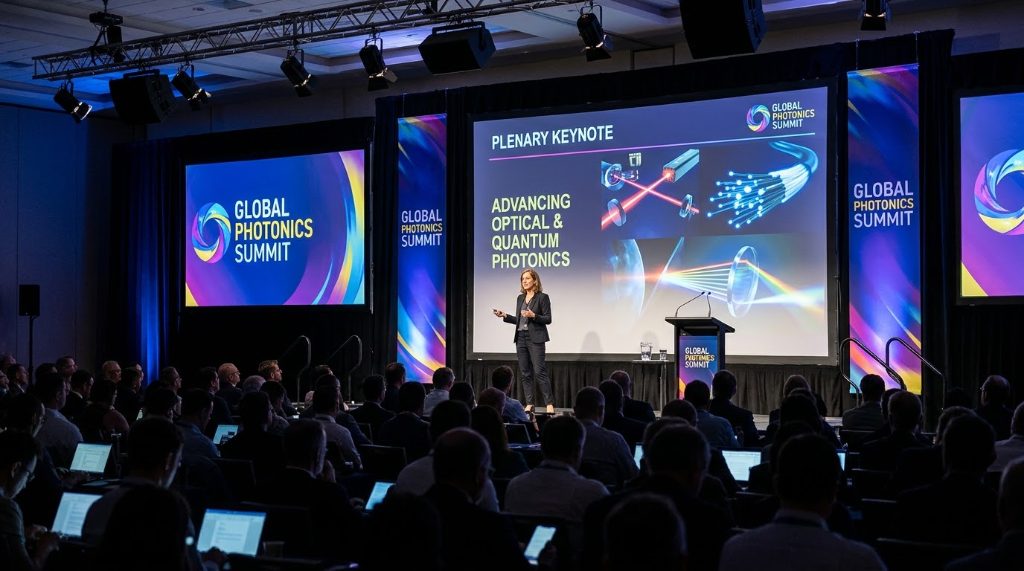
The biggest change this year is a new program called the Embedded Vision Summit. It joins the event as a conference and trade show. The Summit focuses on computer vision and physical AI. Engineers and product developers use these tools for object detection, tracking, mapping and 3D modeling.
This addition expands the vision program at the show. It also links photonics with fast-growing fields such as robotics and smart devices. Therefore, attendees from the sensing, imaging and AI sectors will find more to explore than before.
Technical Program
SPIE groups the technical talks into six application areas. Each area has its own set of conferences. You can mix sessions from different areas, so your schedule can match your goals.
| Application Area | Main Focus |
| AR, VR and MR | Augmented, virtual and mixed reality |
| BiOS | Biophotonics, biomedical optics and imaging |
| Embedded Vision Summit | Computer vision and physical AI (new in 2027) |
| LASE | Lasers and their many industrial uses |
| OPTO | Optoelectronics, photonic materials and optical devices |
| Quantum West | Quantum technologies |
Beyond the talks, the program includes nearly 60 training courses. These courses suit students and working professionals. Some cover basics, while others dive into advanced methods. Additionally, poster sessions let young researchers present their work and meet experts.
Keynote and Plenary Speakers
The plenary and Hot Topics talks are a highlight of the week. They bring leading voices from universities, national labs and major companies. The lineup covers a wide range of subjects. You will hear about quantum computing, lasers, medical imaging, space, robotics and wearable displays.
The table below lists a selection of announced speakers and their affiliations.
| Speaker | Affiliation |
| José Capmany | Universitat Politècnica de València |
| Jennifer Dionne | Stanford University |
| Chris Dorman | Coherent Corp. |
| Keisuke Goda | University of Tokyo |
| Ludovic Godet | Applied Materials |
| Ken Goldberg | University of California, Berkeley |
| Kelly Ingham | Meta |
| Ebrahim Karimi | University of Ottawa |
| Kenny Kubala | Snap |
| Pierre Laboisse | Aledia |
| Amir Navot | Amazon Prime Air |
| Kae Nemoto | Okinawa Institute of Science and Technology |
| Susumu Noda | Kyoto University |
| Nirmala Ramanujam | Duke University |
| Pete Shadbolt | PsiQuantum |
| Yating Wan | King Abdullah University of Science and Technology |
Speakers from NASA Goddard Space Flight Center, Lawrence Livermore National Laboratory and Harvard Medical School also join the program. Because SPIE can update the list, confirm names and talk times on the official website before you plan your days.
The Global Business Forum adds a business view. This one-day event features analysts and executives who explain market data and trends. Speakers this year come from groups such as Google, MDA Space and the Federal Reserve Bank of San Francisco. Note that the Forum needs a separate registration.
Exhibition and Exhibitor Information
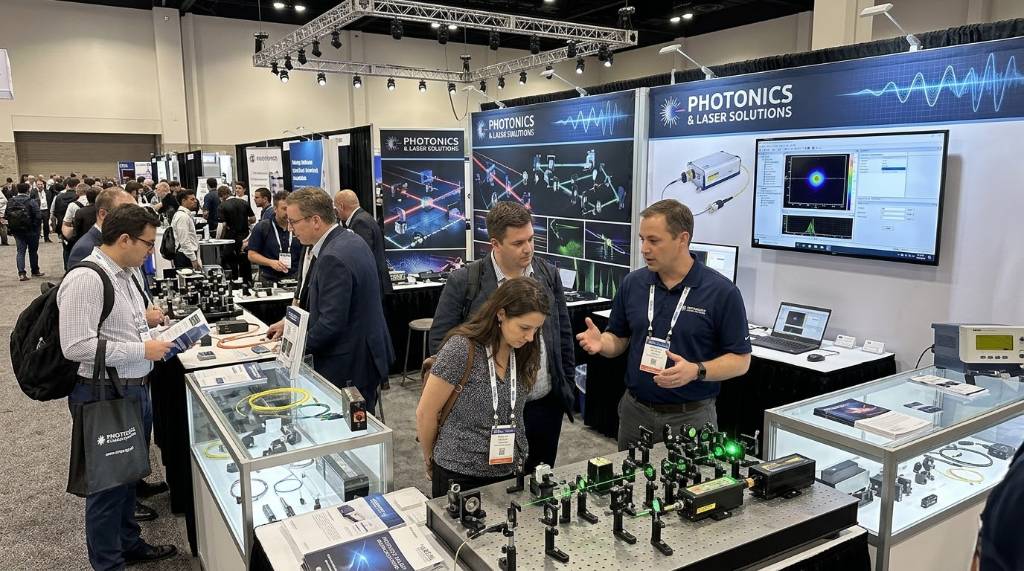
The trade show floor is the heart of the week. More than 1,400 companies show products, share ideas and look for partners. Many of them launch new products during the week. Therefore, the floor is a great place to compare suppliers side by side.
The Two Main Exhibitions
SPIE runs two exhibitions. The BiOS Expo comes first and serves biomedical optics and biophotonics companies. The Photonics West Exhibition follows. It is the largest photonics exhibition in North America. Inside it, you will find three focused zones: Quantum West, Vision Tech and AR, VR and MR.
| Exhibition | Dates | Focus |
| BiOS Expo | January 30 to 31 | Biomedical optics and biophotonics |
| Photonics West Exhibition | February 2 to 4 | Lasers, optics, sensing and optoelectronics |
| Quantum West zone | February 2 to 4 | Quantum technology suppliers |
| Vision Tech zone | February 2 to 4 | Imaging and machine vision |
| AR, VR and MR zone | February 2 to 4 | Display, optics and headset technology |
Industry Stages and Special Programs
Five industry stages run talks and panels on the show floor. Innovators, investors and thought leaders share ideas there. The Quantum West Business Summit runs for three days and focuses on bringing quantum products to market. Meanwhile, the Startup Challenge gives young companies a stage to pitch to judges and investors. The Prism Awards also return. They honor nine photonics companies for outstanding products.
How to Become an Exhibitor
Companies that want a booth should act early. Booth space for a show of this size sells out quickly. The process usually follows these steps:
- Review the exhibit prospectus and booth options on the SPIE website.
- Contact the SPIE exhibition sales team to confirm space and pricing.
- Submit your application and pay the required deposit.
- Complete your company listing so buyers can find you in the online directory.
- Plan your shipping, staffing and booth design well before the show.
Some national groups organize shared pavilions to help smaller firms. For example, German companies often join through a trade association pavilion. However, the deadline for that group passed in August 2026. Therefore, late applicants should contact SPIE directly and ask about remaining space.
Tips for Visitors on the Show Floor
With so many booths, a plan helps a lot. Start by listing the ten companies you must visit. Next, book meetings with them in advance. Then leave gaps in your day for surprise finds. Furthermore, collect product sheets digitally to keep your bag light.
Registration Guide
SPIE opened registration for SPIE Photonics West 2027 in the fall of 2026. You can register online through the official event website. The process is simple. You choose a pass type, enter your details and pay by card.
Pass Types
SPIE offers several options. The main choices are listed below.
- Full conference registration, which gives access to technical talks, plenary sessions and the exhibitions.
- Exhibition-only registration, which suits visitors who want to see products and meet suppliers.
- Course registration, which you can add for hands-on training.
- Student and member rates, which lower the price for eligible people.
- Separate tickets for special events such as the Global Business Forum.
Registration Tips
Fees change by pass type and by date, so check the current price list on the official site. In general, early registration costs less. Additionally, SPIE members often receive a discount. Students can also save money. Keep your confirmation email, because you will need your badge barcode when you arrive.
Visitors from outside the United States should also check visa rules early. Some travelers need several weeks to get an appointment. Therefore, start the process right after you register. The organizer can supply an invitation letter if your embassy asks for one.
Smart Tips for Attendees
A big event can feel overwhelming. These simple habits make the week smoother.
- Build your schedule before you land in San Francisco.
- Arrive a day early to pick up your badge and avoid lines.
- Bring business cards, or prepare a digital contact card.
- Attend at least one session outside your main field.
- Follow up with new contacts within one week.
Networking deserves special attention. Many deals and research partnerships begin over coffee in a hallway. Therefore, treat every break as a chance to meet someone new. Social events and receptions also help. They let you talk in a relaxed setting after a long day of sessions.
Why This Event Matters
Photonics now touches nearly every industry. Lasers cut metal and treat eye disease. Light-based sensors guide cars and drones. Quantum devices promise faster computing and safer communication. At the same time, new headsets depend on advanced optics. The show brings all these fields under one roof.
For students, it offers a path into the industry. For companies, it offers a direct line to buyers. For researchers, it offers an audience of experts who can test and improve new ideas. In short, the event helps turn lab discoveries into real products.
Conclusion
The 2027 edition runs from January 30 to February 4 at the Moscone Center in San Francisco. BiOS Expo opens the week, and the main exhibition follows from February 2 to 4. The program includes more than 4,500 talks, nearly 60 courses and over 1,400 exhibitors. The new Embedded Vision Summit adds fresh focus on computer vision and physical AI. Plenary speakers from top universities and companies will share the latest breakthroughs.
To make the most of the week, register early, book your hotel soon and plan your schedule ahead. Exhibitors should secure booth space without delay. With good preparation, you will leave San Francisco with new knowledge, strong contacts and fresh ideas. Visit the official SPIE website for the latest updates before you go.
Frequently Asked Questions
1. When does the event take place?
The event runs from January 30 to February 4, 2027. The biomedical expo opens first, and the main exhibition runs February 2 to 4.
2. Where is the event held?
It takes place at the Moscone Center, 747 Howard Street, San Francisco, California.
3. Who organizes the show?
SPIE, the international society for optics and photonics, organizes it every year.
4. How many people attend?
SPIE expects about 24,000 attendees. The 2026 edition drew more than 23,000 registrants from 40 countries.
5. How do I register?
Go to the official SPIE website, choose a pass type, fill in your details and pay online. Early registration usually costs less.
6. What is new this year?
The Embedded Vision Summit joins the program. It covers computer vision and physical AI.
7. How many exhibitors will be there?
More than 1,400 companies plan to exhibit across the BiOS Expo and the Photonics West Exhibition.
8. Who are the plenary speakers?
The lineup includes José Capmany, Jennifer Dionne, Susumu Noda, Pete Shadbolt, Nirmala Ramanujam and many others from universities and industry.
9. Can I attend only the exhibition?
Yes. SPIE offers exhibition-only registration for visitors who do not need the technical talks.
10. How can my company book a booth?
Visit the exhibitor section of the SPIE website and contact the exhibition sales team. Book early, because space fills quickly.