

Every January, Las Vegas becomes the world’s biggest stage for new technology. This year, the show runs from January 6 to 9, 2027. Brands will unveil gadgets, software, and bold ideas. Meanwhile, buyers, investors, creators, and reporters will fill the city. Therefore, a little planning goes a long way. This guide covers dates, tickets, exhibitors, the schedule, and practical travel tips. Use it to build a smooth plan for CES 2027, whether you come for work or for the first time.
Show Dates and Opening Hours
The main show runs from Wednesday, January 6, to Saturday, January 9, 2027. However, several events start earlier. The opening press event, CES Unveiled, usually happens on the Sunday before the show. Media Day follows on Monday. Badge pickup also opens on Monday, January 4. As a result, many visitors arrive on Sunday or Monday to skip the long lines.
Exhibit halls normally open at 10 a.m. and close around 6 p.m. on the early days. The last day ends sooner, often in the afternoon. Hours can change, so check the official website and the show app before you book flights. Additionally, hotel suites and private venues often keep their own schedules.
Venues and Locations
The show spreads across several sites in Las Vegas. Each site has a different focus. Therefore, it helps to know where your goals lead you before you arrive.
| Venue | What you will find |
| Las Vegas Convention Center | The main exhibits, including consumer electronics, automotive, mobility, smart home, and gaming |
| Venetian Expo | Eureka Park for startups, plus the C Space marketing and media area |
| Mandalay Bay Convention Center | A badge pickup point and extra show activity |
| Strip hotels | Private suites, business meetings, and side events at resorts such as Wynn Encore, Venetian Palazzo, and Resorts World |
Free shuttles connect the official venues. However, they can move slowly at peak times. For that reason, give yourself extra time between meetings.
Tickets, Badges and Registration
Who Can Attend
This is a trade-only event. The public cannot buy tickets. You must be at least 18 years old and connected to the consumer technology industry. Organizers offer three main registration types:
- Attendee: for business professionals, consultants, and investors.
- Media: for working journalists, editors, analysts, broadcasters, and qualifying content creators.
- Exhibitor personnel: for staff who work in a company booth. The company’s registration coordinator sends the invitation.
Pass Types and Prices
Prices rise after November 30, so early registration saves real money. The table below shows the current structure.
| Pass | Through November 30 | December 1 to January 9 |
| Standard Pass | $149 | $349 |
| Premium Pass | $1,450 | $1,750 |
The Standard Pass covers the exhibit floor, keynotes, Great Minds sessions, and selected conference sessions. The Premium Pass adds every conference session and track, a planning webinar, and partner programs. In addition, you can start with a Standard Pass and add only the tracks you want. Add-ons such as show floor tours and monorail tickets also exist.

What You Need to Register
- A business document and an employment document that prove your industry link.
- A unique email address linked to a CTA account.
- A recent headshot, because badges will not print without a photo.
- Your date of birth.
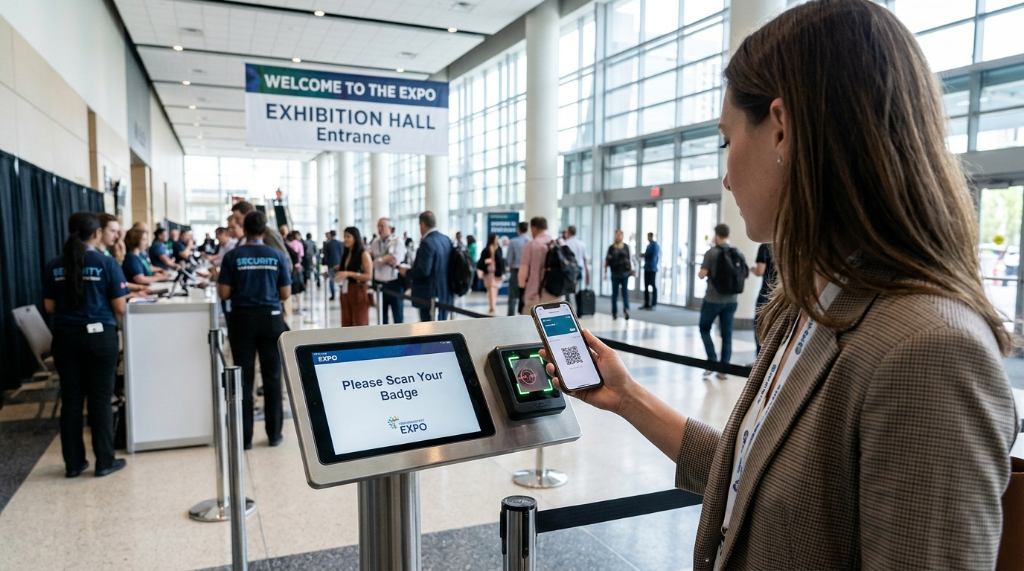
Approval usually takes up to five business days. During that time, your card carries a payment hold. Furthermore, badges never arrive by mail. You must collect yours in person with a government photo ID, and group pickup is not allowed.
Refunds and Safe Buying
You can cancel in writing by December 9, 2026, and receive a refund minus a $50 fee. After that date, refunds stop. Substitutions are not available for attendee and media badges. Importantly, the organizers name Maritz as the only official registration vendor. Therefore, ignore any other seller who offers cheap badges.
Exhibitors and Main Themes
The show draws more than 4,000 exhibitors from around the world. Large brands such as Samsung, LG, Sony, and TCL have long filled big booths. At the same time, thousands of small firms and startups share the stage. Many of them gather in Eureka Park, where new ideas often steal the spotlight.
Expect several themes to lead the conversation:
- Artificial intelligence in phones, homes, cars, and work tools.
- Robots for homes, factories, and care.
- Electric vehicles, mobility, and smart road technology.
- Health and wellness devices, from smart rings to home testing.
- Smart home products, energy tools, and clean tech.
- Gaming, streaming, and immersive displays.
The official website offers a searchable exhibitor directory. Use it to build a target list early. Then mark each booth location in the app. Consequently, you will waste less time walking between halls.
Schedule and Key Events
The week follows a clear rhythm. Press and early events come first. After that, the full show floor opens. The table gives a simple outline, although exact times will change as organizers publish updates.
| Date | Day | Main activity |
| January 3 | Sunday | CES Unveiled press event |
| January 4 | Monday | Media Day; badge pickup opens |
| January 5 | Tuesday | Early arrivals, booth setup, and press briefings |
| January 6 | Wednesday | Official opening; exhibits and keynotes begin |
| January 7 | Thursday | Full exhibit day; conference sessions and Great Minds talks |
| January 8 | Friday | Full exhibit day; peak crowds on the show floor |
| January 9 | Saturday | Final day with shorter hours |
Keynote speakers usually appear in the weeks before the show. Therefore, watch the official news page for the lineup. Additionally, many companies host evening parties and private launches. Invitations often arrive through email, so keep your inbox open.
Visitor Guide: Travel, Hotels and Getting Around
Flights and Hotels
Harry Reid International Airport serves the city, and flights fill fast during show week. Book early to hold good fares. Hotels are the bigger challenge. This week is the most expensive of the year for Las Vegas rooms. Properties near the convention center sell out months ahead. Many convention blocks run from Sunday to Saturday. For that reason, compare options now and choose a place near the monorail if you can.
Moving Between Venues
| Option | What to know |
| Free show shuttles | Connect official venues, but lines grow at busy hours |
| Monorail | Often the fastest link between the Convention Center and the Venetian; a single ride costs about $5 and a day pass about $13 |
| Rideshare | Convenient, but prices surge in the morning and evening |
| Parking | Convention center lots cost roughly $15 to $25 per day and fill early |
Smart Tips for First-Time Visitors
- Wear comfortable shoes. Most visitors walk 20,000 steps or more each day.
- Carry a portable charger, because your phone will work hard.
- Dress in layers. Halls feel warm, while the winter desert air feels cool outside.
- Eat lunch early or late to avoid long food court lines.
- Book meetings with buffer time, since travel between venues takes longer than it looks.
- Bring business cards and keep a digital badge in the show app as a backup.
- Drink water often. The dry air and long days drain energy.
Finally, plan your first day carefully. Pick two or three must-see areas and explore the rest as time allows. This simple habit keeps the week useful and calm.
How to Plan Your Days on the Show Floor
The show floor is huge, so a plan matters. Most visitors cannot see everything, even in four days. Therefore, set clear goals before you land. Decide whether you want to find suppliers, meet partners, scout trends, or write stories. Then match each goal to a hall and a day.
A Simple Four-Day Approach
- Day one: walk the main halls at the convention center and attend a keynote.
- Day two: visit Eureka Park and meet startup founders.
- Day three: focus on scheduled meetings and conference sessions.
- Day four: revisit favorite booths, collect samples, and follow up with new contacts.
Crowds are lighter in the first hour after opening. In contrast, midday brings the heaviest traffic. Consequently, schedule your most important booth visits early. Save relaxed browsing for the late afternoon.
Networking and Follow-Up
Many deals begin with a short chat in a hallway. Prepare a brief introduction that explains who you are and what you need. Next, scan or collect contact details quickly. Write a note on each card right away, because faces blur by Friday. Finally, send follow-up messages within a week. Fast replies show respect and keep the conversation warm.
Why the Show Matters
The event sets the tone for the technology year. New phones, televisions, cars, and smart tools often debut here. Moreover, startups use the stage to win funding and press coverage. Reporters, in turn, publish the first reviews and trend reports from the halls. As a result, the ideas you see in January often shape store shelves by the holidays.
Things to Do Beyond the Halls
Las Vegas offers plenty of fun after the exhibits close. Many resorts host live shows, fine dining, and quiet lounges for small meetings. However, restaurants fill up fast during show week. Reserve tables early, especially for client dinners. Additionally, take a short break outdoors at some point. A brief walk helps you reset after hours of noise and screens.
Budget Planning
Costs add up quickly during show week. Therefore, build a simple budget before you book anything. List your pass, flights, hotel, food, and local transport. Then add a small cushion for surprises. Hotels usually take the largest share. Meals and rideshares come next. Meanwhile, early registration and early booking give you the best savings. If you travel with a team, share rooms or rides when possible. Small choices like these protect your budget without hurting your schedule. Overall, a careful plan makes CES 2027 far more affordable and far less stressful.
Conclusion
The event runs January 6 to 9, 2027, with press activity starting a few days earlier. Entry is for industry professionals aged 18 and older, and prices climb after November 30. Therefore, register early, confirm your badge, and avoid unofficial sellers. Next, book your flight and hotel soon, because rooms disappear fast. Finally, use the exhibitor directory and the app to shape a focused plan. With good preparation, you will leave Las Vegas with strong contacts, fresh ideas, and a clear view of where technology goes next.
Frequently Asked Questions
1. When does the show take place?
It runs from Wednesday, January 6, to Saturday, January 9, 2027, in Las Vegas, Nevada.
2. Where is the event held?
The main exhibits sit at the Las Vegas Convention Center. The Venetian Expo hosts Eureka Park, and several Strip hotels host side events.
3. Is the show open to the public?
No. It is a trade-only event. Visitors must be 18 or older and connected to the consumer technology industry.
4. How much does a ticket cost?
A Standard Pass costs $149 through November 30 and $349 afterward. A Premium Pass costs $1,450, then $1,750.
5. Can I register on site?
Registration is available through the official site, and you must complete approval first. Register online well before you travel, because badges need review and cannot be mailed.
6. Where do I pick up my badge?
You can collect it at the Las Vegas Convention Center West Hall, the Venetian Expo, or Mandalay Bay. Pickup opens on Monday, January 4. Bring a government photo ID.
7. Can I get a refund if my plans change?
Yes, if you cancel in writing by December 9, 2026. Organizers keep a $50 processing fee. Later cancellations receive no refund.
8. How many people attend?
Reports suggest more than 140,000 attendees and over 4,000 exhibitors join the show each year.
9. Who gives the keynote speeches?
Organizers have not shared a final list yet. Check the official website for announcements in the weeks before the show.
10. What is the best way to travel between venues?
The monorail is often the fastest option. Free shuttles also run, although they can be slow. Walk only for short trips.